 EN
EN
 FR
FR
 ES
ES
 AR
AR

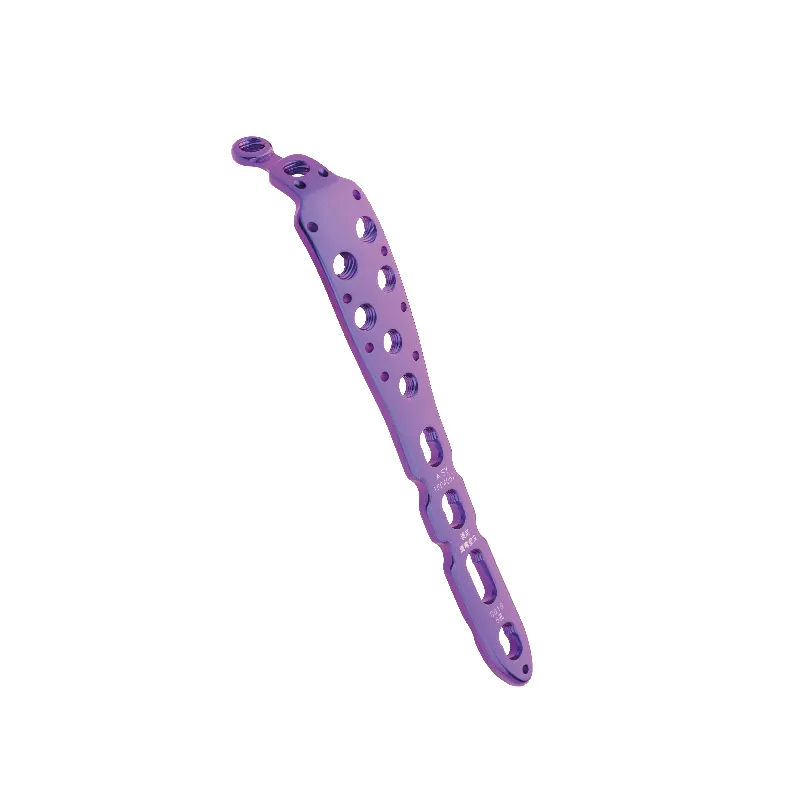
ISO 11607: The Core Standard for Sterile Barrier Systems
Part 1: Design, Material Selection, and Sterilization Process Compatibility
When choosing materials for sterile barrier systems, compatibility with different sterilization techniques needs thorough evaluation. This includes things like gamma irradiation, ethylene oxide or EtO as it's often called, and steam autoclaving. We also need to make sure these materials can handle the rough handling during transport and still perform under various storage conditions. The ISO 11607-1 standard requires extensive testing to check if packages maintain their microbial barriers, protect against physical damage, and keep medical devices working properly over time. For example, distal humerus plates need their protective qualities maintained throughout the entire product lifecycle. To figure out how long these packages will last on shelves, stability tests are conducted using two main approaches: accelerated aging according to ASTM F1980 standards and longer term real world studies. These tests simulate what happens naturally over time when exposed to humidity levels, oxidation processes, and temperature changes that degrade materials. Finally, design qualification ensures that once packaged, medical devices stay sterile and function correctly right from when they leave the factory until they reach the patient at the point of care.
Part 2: Validation Requirements for Packaging Processes (Form-Fill-Seal, Pouches)
The ISO 11607-2 standard mandates that every aspect of packaging needs validation, from those form fill seal operations right down to how pre formed pouches get assembled. This ensures we consistently create sterile barriers without defects. When it comes to checking seals, tests like ASTM F88, F2338 or F1140 help determine if closures can actually stop microbes from getting in during rough handling or tough shipping scenarios. Companies need to keep records about how their packages handle sterilization, test how well they stand up to specific stresses during manufacturing such as exposure to heat, pressure changes, or vacuum conditions. They also have to recreate what happens during actual distribution, looking at things like vibrations from transport, compression forces, and fluctuations in air pressure. Regular checks plus occasional full revalidations of key process factors are essential for maintaining both regulatory compliance and reliable protection throughout product life cycles.
Regulatory Alignment: FDA QSR and EU MDR Requirements
FDA 21 CFR Part 820.130 – Documentation, Traceability, and Shelf-Life Validation
The FDA's 21 CFR Part 820.130 mandates that manufacturers keep records showing sterile packaging for those distal humerus plates stays intact and works properly during the entire shelf life they claim. Manufacturers need to do things like validated accelerated aging tests following ASTM F1980 standards, run parallel real time stability checks, track everything from raw materials all the way to when products reach distributors, and create Device History Files (DHF) that show how packaging holds up during simulated shipping scenarios. Companies that get this right can cut down on regulatory review wait times by around 40% as seen in recent FDA audits from 2023. All these requirements basically line up with what the FDA wants to see more of these days: documentation focused on actual risks rather than just paperwork, plus keeping tabs on devices throughout their whole life cycle from production to patient use.
EU MDR Annex I (ER 10.5–10.7) – Sterility Maintenance and Labeling Compliance
The EU Medical Device Regulation (MDR) Annex I covers essential requirements 10.5 through 10.7 which require medical device packaging to maintain sterility right up until it's used. This needs validation through specific tests including seal strength according to ASTM F88 standards, leak detection following ASTM F2338 guidelines, and burst resistance as outlined in ASTM F1140. Package labels should contain unique device identifiers, information about how the item was sterilized, symbols that meet ISO 15223 standards, and clear expiration dates that leave no room for confusion. When dealing with materials like Tyvek combined with polymers, manufacturers need to perform dynamic compression testing to check if these packages can withstand normal handling without bursting. Companies that align their packaging validation processes with ISO 11607-1 standards tend to see about a 30% drop in compliance issues according to recent 2024 benchmark data from various regulatory authorities across Europe.
ASTM Integrity Testing Protocols for Sterile Packaging Validation
Accelerated Aging (ASTM F1980) and Real-Time Stability for Distal Humerus Plate Shelf Life
The ASTM F1980 standard offers a reliable way to forecast how packaging will hold up over time by speeding up chemical breakdown through heat exposure. This allows manufacturers to claim shelf lives of five years or longer for medical devices such as those used in elbow surgeries. While these accelerated tests give quick insights, companies also run real world stability checks at normal temperatures to back up what they find. These dual methods look at things like whether materials stay strong, seals remain intact, and if packages still block microbes after being exposed to various aging factors like moisture, oxygen, and sunlight. The data collected from all this testing isn't just paperwork filler either. It forms the backbone of regulatory applications and proves compliance with standards set by ISO 11607 as well as requirements from both FDA and EU authorities.
Seal Strength (F88), Leak Detection (F2338), and Burst Resistance (F1140) in Medical-Grade Porous Laminates
Three ASTM standards form the technical backbone of sterile packaging validation:
- ASTM F88 quantifies peel strength of seals in pouches and trays–ensuring resistance to handling, stacking, and manual opening;
- ASTM F2338 detects micro-leaks using vacuum decay or dye penetration, verifying microbial barrier continuity;
- ASTM F1140 measures internal pressure resistance during transport-related compression or altitude changes.
These tests are especially critical for medical-grade porous laminates (e.g., Tyvek®/polyethylene or Tyvek®/PETG composites), where seal failure accounts for 34% of sterile packaging–related recalls. When applied together–and aligned with ISO 11607 and regulatory expectations–they provide robust, actionable assurance of barrier integrity.
Material and Sterilization Compatibility for Distal Humeral Plate Packaging
Choosing the right packaging materials that work well with distal humeral plates and their specific sterilization methods is really important for keeping things sterile. Different sterilization techniques have different requirements. Gamma radiation needs materials that can handle radiation without breaking down over time. Ethylene oxide works best with materials that let gas through but still manage residues properly. Steam autoclaving calls for materials strong enough to withstand high temperatures and pressure without failing. The AAMI TIR17 standard from 2017 offers solid advice on how these materials interact during sterilization processes. It covers checking seals after processing, testing how strong the materials remain, and making sure they still block microbes effectively.
| Sterilization Method | Compatible Materials | Key Considerations |
|---|---|---|
| Gamma Radiation | PETG, Polycarbonate, Tyvek® | Avoids embrittlement |
| Ethylene Oxide (EtO) | Tyvek®, PETG, Polyethylene | Residual aeration required |
| Steam Autoclaving | Polypropylene, Nylon, Tyvek® | Pressure/temperature stable |
Validation must include post-sterilization assessment of seal strength (ASTM F88), burst resistance (ASTM F1140), leak integrity (ASTM F2338), and accelerated aging (ASTM F1980). All material specifications and test outcomes must be documented per ISO 11607 and FDA 21 CFR Part 820.130–failure to do so risks contamination, device malfunction, and regulatory action.
FAQ
What is ISO 11607?
ISO 11607 is a standard that outlines requirements for the packaging of terminally sterilized medical devices, ensuring that sterile barrier systems meet safety and performance criteria.
Why are different sterilization methods used?
Different sterilization methods are used based on the material compatibility and specific requirements of medical devices to ensure effective sterilization without compromising the integrity of the packaging.
What tests are required for packaging validation?
Packaging validation requires tests like ASTM F88 for seal strength, ASTM F2338 for leak detection, and ASTM F1140 for burst resistance, among others, to ensure packaging integrity and sterility maintenance.
How do regulatory requirements in the US and EU differ?
Both FDA and EU MDR require compliance with ISO standards, but there are different documentation and labeling requirements that must be considered for each market.
What is accelerated aging in packaging validation?
Accelerated aging, as per ASTM F1980, involves increasing temperature to speed up the evaluation of the life expectancy of materials, ensuring they maintain their integrity over the claimed shelf life.