 EN
EN
 FR
FR
 ES
ES
 AR
AR

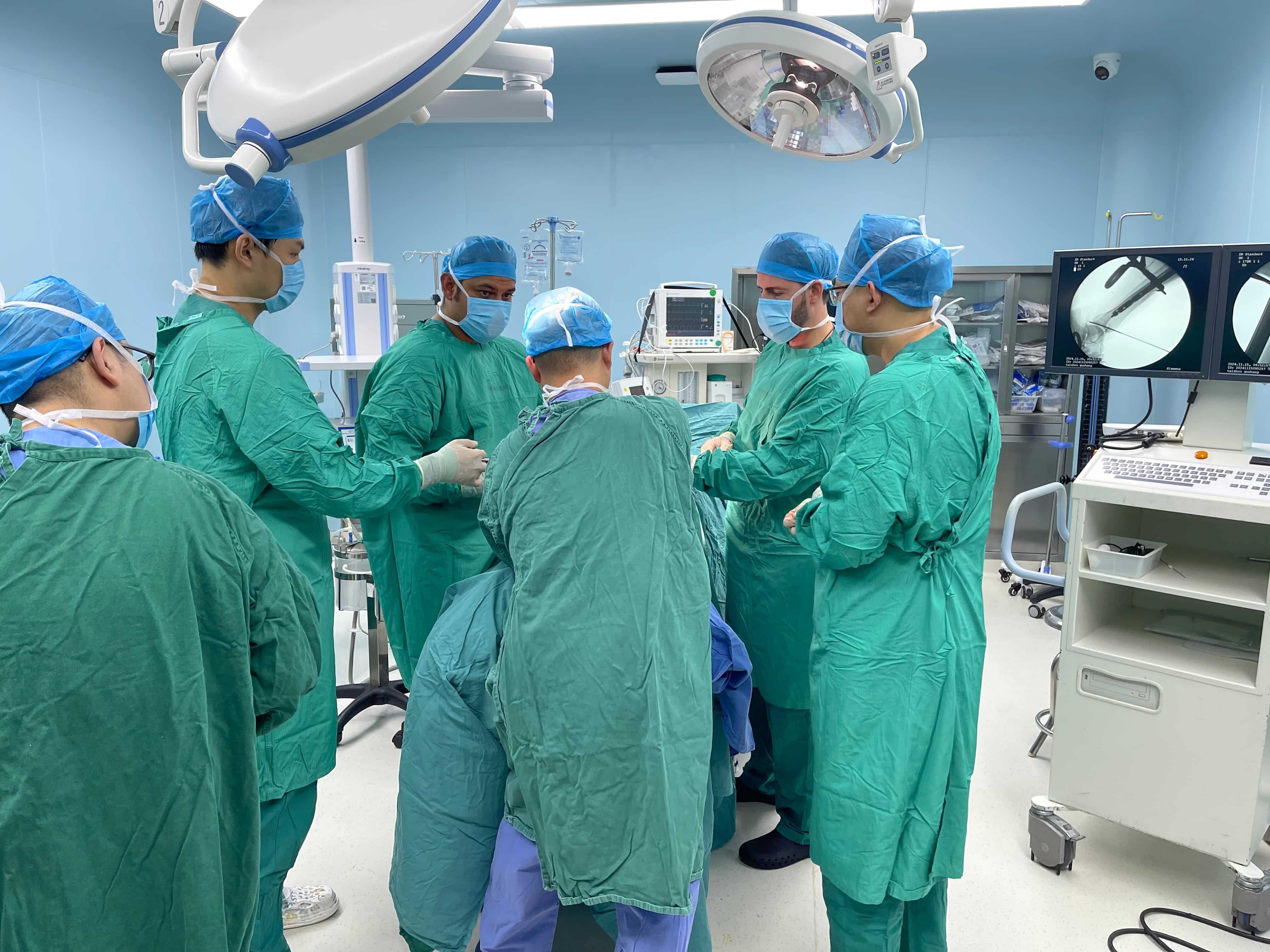
Associated Life-Threatening Injuries That Elevate Priority for Rapid Fractured Sternum Solutions
Cardiac contusion, aortic injury, and pulmonary trauma — sternal fracture as the critical sentinel sign
Sternal fractures don't usually happen alone. They're often the first warning sign that something serious is going on inside the chest cavity. When someone breaks their sternum, there's about a 1.5 to 6 percent chance they also have heart bruising, and around half to 2 percent might suffer from a ruptured aorta, conditions that require urgent stabilization of blood pressure and circulation. The lungs can get damaged too, with things like torn airways or bruised lung tissue making breathing even harder. All told, people with broken sternums face mortality rates ranging from 4 to as high as 45 percent according to Healthcare Bulletin 2023, though most deaths actually result from problems deep within the chest rather than the broken bone itself. The real danger comes from hidden injuries that show no outward signs at all, which is why quick recognition and comprehensive treatment matters so much. Doctors need to look beyond just fixing the bone to find and address these silent killers hiding beneath the surface.
Flail chest, pneumothorax, and polytrauma synergy demanding integrated chest wall stabilization
The presence of sternal fracture combined with flail chest or pneumothorax dramatically increases the chances of death. Patients often experience paradoxical chest movement that reduces their ability to breathe properly by around 30 to 50 percent, which makes them much more likely to develop ARDS and need long-term mechanical ventilation support. About 7 out of 10 people with sternum fractures also have three or more broken ribs, making the entire chest area unstable and messing up normal breathing mechanics. All these factors together create a dangerous situation where patients tend to shallow breathe due to pain, leading to collapsed lung areas, infections, slower recovery from bed rest, and increased risk of blood clots. Good treatment means stabilizing the whole chest wall system. It's not enough to fix just the sternum; doctors need to combine this with rib repairs, proper drainage of the pleural space, and appropriate breathing support. Special rapid closure tools for the sternum help fill this critical need during busy trauma cases when every minute counts, allowing surgeons to stabilize the chest without stopping important procedures like controlling bleeding or managing airways.
Limitations of Conventional Surgical Fixation in Acute Trauma Settings
Titanium plating challenges in hypotensive, coagulopathic, or resuscitation-phase patients
ORIF with titanium plates is still considered best practice for planned sternal repairs, though it doesn't work well when dealing with fresh trauma injuries. Patients whose blood pressure is all over the place usually can't handle long surgeries or complicated procedures. Low blood pressure means more bleeding risks, and about 38% of big trauma cases have problems with blood clotting according to the Journal of Trauma and Acute Care Surgery from last year. This makes them prone to bad infections and hematomas after surgery. When doctors give fluids to stabilize these patients, swelling builds up in tissues which hides important landmarks and makes proper attachment of plates difficult. Because of this, surgeons often wait until patients are stable before doing ORIF, sometimes waiting hours or even days. But waiting comes at a cost. Every extra hour without fixing the broken sternum tends to mean longer time on ventilators and extended stays in intensive care units. The truth is pretty straightforward really. Those patients needing immediate help are exactly the ones where traditional methods just won't cut it physiologically speaking. This mismatch has pushed hospitals toward newer solutions that actually work during emergency situations instead of only after everything calms down.
Systemic Gaps: Absence of Standardized Protocols for Rapid Fractured Sternum Solutions Across Trauma Centers
Variability in time-to-fixation protocols and its correlation with ICU length of stay and mortality
There's still no agreement among medical professionals about when or how best to treat broken sternums after traumatic injuries, which leads to big differences in treatment across hospitals. Some facilities operate on patients within 90 minutes of diagnosis, while others delay surgery for 48 to 72 hours or skip it altogether. These varying approaches have real impacts on patient outcomes. Hospitals lacking clear protocols for timing surgical fixes tend to see patients spend nearly 2.5 extra days in intensive care units and face death rates that are 15 percentage points higher compared to places with established procedures. Research shows that getting the sternum stabilized quickly, especially using special devices designed for fast closures within the first hour and a half, cuts down on the need for breathing machines by around 30%. It also reduces problems related to breathing difficulties, infections, and blood clots. Until there are solid clinical guidelines to follow, treatment stays scattered and unpredictable, putting patients at risk for unnecessary complications. Creating standard practices doesn't mean setting strict clocks for everything. Instead, it involves making sure quick response options for broken chest bones become part of the regular emergency care process that brings together multiple specialists.
Next-Generation Rapid Fractured Sternum Solutions: Design, Evidence, and Trauma Team Integration
Emergency sternal fixation devices engineered for speed, stability, and compatibility with ongoing resuscitation
Emergency sternal fixation systems represent a major leap forward for acute trauma situations. These devices can be deployed within five minutes flat, resist fragment movement during critical moments, and work right alongside other life-saving procedures happening at the same time. The design is smart too - made so thin and transparent on X-rays that they won't get in the way when doing CPR, cutting open the chest in emergencies, or trying to see what's going on inside through imaging technology. Most importantly, they're built for just one person to handle everything alone. With one hand applicators and ready-to-go sterile packaging, trauma teams can secure the sternum while still dealing with bleeding, blocked airways, or inserting chest tubes. Recent studies found that getting these systems onto hypotensive patients quickly cuts down death rates by around 22% compared to waiting for traditional methods (Journal of Trauma & Acute Care 2023). What makes them truly valuable goes beyond mere speed though. They completely change how we think about stabilizing the sternum, turning what used to be an afterthought into something essential during those first crucial minutes of trauma care.
FAQ Section
What life-threatening injuries are associated with fractured sternums?
Fractured sternums can be associated with cardiac contusion, aortic injury, and pulmonary trauma, making them critical sentinel signs of severe internal injuries.
How do flail chest and pneumothorax affect patients with sternal fractures?
Flail chest and pneumothorax cause paradoxical chest movement, reducing breathing efficiency by 30 to 50 percent, increasing the risk for ARDS, infections, and extended mechanical ventilation.
Why are conventional surgical fixes like titanium plating limited in acute trauma settings?
Conventional fixes face challenges due to fluctuating blood pressure, clotting problems, and tissue swelling, making it difficult to apply the plating promptly during emergencies.
What's the importance of standardized protocols for fractured sternum treatment?
Without standardized protocols, treatment timing varies significantly, affecting ICU length of stay and mortality rates. Establishing quick response options as part of regular emergency care can improve outcomes.
Table of Contents
- Associated Life-Threatening Injuries That Elevate Priority for Rapid Fractured Sternum Solutions
- Limitations of Conventional Surgical Fixation in Acute Trauma Settings
- Systemic Gaps: Absence of Standardized Protocols for Rapid Fractured Sternum Solutions Across Trauma Centers
-
Next-Generation Rapid Fractured Sternum Solutions: Design, Evidence, and Trauma Team Integration
- Emergency sternal fixation devices engineered for speed, stability, and compatibility with ongoing resuscitation
- FAQ Section
- What life-threatening injuries are associated with fractured sternums?
- How do flail chest and pneumothorax affect patients with sternal fractures?
- Why are conventional surgical fixes like titanium plating limited in acute trauma settings?
- What's the importance of standardized protocols for fractured sternum treatment?