 EN
EN
 FR
FR
 ES
ES
 AR
AR

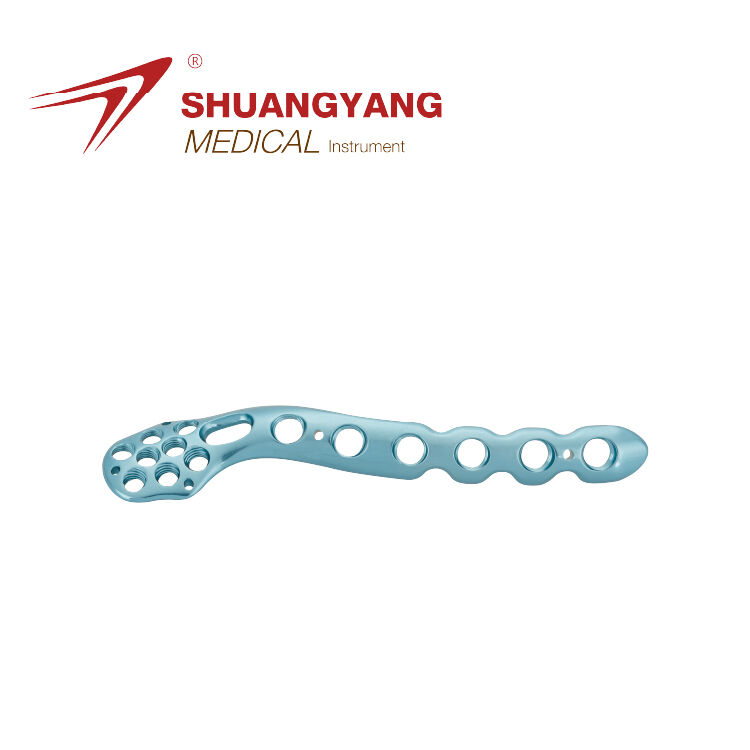
CE Marking as a Legal Gateway to the European Economic Area (EEA)
Understanding CE marking requirements for medical devices in the EU
Getting CE marking approval is essential when bringing titanium clavicle plates into Europe. The rules set out in Medical Device Regulation number 2017/745 mean companies need to prove their products meet all sorts of safety, performance, and biocompatibility criteria. There's quite a bit of paperwork involved actually. Manufacturers have to prepare detailed technical documents that include everything from what materials they're using, how they make the plates, right down to any clinical studies showing these implants will last over time. When it comes specifically to orthopedic devices such as clavicle fixation systems, there's something called Annex IX within those same regulations that lays down some pretty important test requirements. Things like checking if the plate can withstand normal stresses and whether it works properly after being sterilized according to standard protocols.
Importance of CE marking for market access in the EEA
Titanium clavicle plates simply won't make it onto shelves in any of the 27 EU member states or those four EFTA nations unless they carry that CE mark. This certification isn't just some piece of paper but actually serves two purposes at once: it's required by law and builds confidence among medical professionals who need assurance their equipment complies with all those EU regulations. Doctors and hospitals depend heavily on seeing that mark before making purchases, whereas companies producing these implants see it as their ticket into Europe's massive healthcare sector worth around $2.3 trillion according to figures from the European Commission back in 2023. Getting certified helps avoid all sorts of headaches down the road when dealing with equipment that doesn't meet proper standards.
Penalties and consequences of non-compliance with CE marking
Not getting that CE mark can lead to some pretty serious consequences for companies. We're talking product recalls, hefty fines that can reach as much as 4% of what they make worldwide each year, and being locked out of all those European Economic Area markets forever. The regulators don't take this lightly either. If someone puts an implant on the market without approval and patients get hurt, there could actually be criminal charges involved. No wonder then that most smart orthopedic device makers (around 92%, according to MedTech Europe data from last year) make sure everything is CE compliant well before trying to sell anything in Europe. It just makes business sense when looking at what's at stake.
Compliance with Medical Device Regulation (MDR 2017/745) for Orthopedic Implants
Transition from Former Directives to MDR 2017/745 Compliance
The European Union has swapped out the old Medical Devices Directive (MDD 93/42/EEC) along with the Active Implantable Medical Devices Directive (AIMDD 90/385/EEC) for something much stricter called MDR 2017/745. What this means is there are now tougher General Safety and Performance Requirements (GSPRs) in place across the board. These new rules demand better clinical evaluations before products hit shelves and require manufacturers to keep tabs on device performance long after they're sold. The full rollout started back in May 2021, though companies still have until 2028 to get their older MDD-certified devices up to speed with the new standards if they want them to stay available in EU markets.
MDR Annex IX Requirements for Titanium Clavicle Plates
As Class IIb medical devices, titanium clavicle plates are subject to conformity assessment under MDR Annex IX, requiring:
- Design verification for mechanical strength and corrosion resistance
- Biocompatibility assessments aligned with ISO 10993 standards
-
Risk management files addressing hazards such as titanium ion release
Manufacturers must now provide full traceability of raw materials and production steps—a significant advancement over prior MDD requirements.
Classification and Regulatory Pathway for Active Versus Passive Implants
The Medical Device Regulation makes a clear distinction between active implants that have power components and passive ones such as those titanium clavicle plates we often see. Passive orthopedic implants get special attention because they integrate so well with bones over time. These devices fall under Class IIb, which means manufacturers need approval from regulatory bodies for things like clinical evidence, proper sterilization methods, and tracking how these implants perform after being placed in patients via national registries. Compared to what was required before, this new classification creates much stricter requirements for companies. According to MedTech Europe's 2022 report, nearly nine out of ten manufacturers faced bigger paperwork challenges when switching to meet these updated standards.
Conformity Assessment and Certification by a Notified Body
Role of notified bodies in CE marking under MDR
Notified Bodies or NBs as they're commonly called are independent organizations accredited by the EU to check out high risk medical devices such as Class IIb titanium plates used for clavicle repairs. These bodies look at both the quality management systems and all the technical docs to make sure everything lines up with requirements from MDR Annex IX. For regular low risk stuff companies can just declare compliance themselves, but when it comes to implantable devices like these, NBs have to dig deep into several key areas. They need to review biocompatibility testing results, validate the actual device design works properly, and assess whether similar existing products on market perform equivalently according to ISO 13485:2016 guidelines.
Step-by-step conformity assessment process for Class IIb orthopedic devices
The certification process consists of seven key stages:
| Stage | Action | Typical Duration |
|---|---|---|
| 1 | NB application and scope agreement | 2-4 weeks |
| 2 | QMS audit (onsite or remote) | 8-12 weeks |
| 3 | Technical documentation review | 14-18 weeks |
| 4 | Clinical evaluation assessment | 12-16 weeks |
| 5 | Corrective action implementation | Manufacturer-dependent |
| 6 | Certification issuance | 4-6 weeks |
| 7 | CE marking approval | Immediate post-certification |
This structured approach ensures compliance with MDR’s enhanced safety criteria, including fatigue testing beyond 20 years and failure rate thresholds below 0.1%.
Audit, certification, and ongoing surveillance by notified bodies
Once certified, Notified Bodies typically show up unannounced somewhere between 12 and 18 months later to check if companies are still following all the rules. They look at things like batch records and those post-market surveillance reports we talked about earlier. According to a recent EU Commission study from 2023, companies making orthopedic devices that fail these checks end up paying around 350 thousand euros in fines on average. These bodies also need to make sure the Unique Device Identification systems work properly and that there's a good way to report bad events when they happen. Getting this right isn't just paperwork – it's basically what keeps manufacturers in business across Europe where the orthopedic implant market is worth over twelve billion dollars.
Technical Documentation, Clinical Evaluation, and Risk Management
Essential Technical Documentation Required for CE Marking of Titanium Clavicle Plates
Getting CE marking requires manufacturers to put together thorough technical documentation that follows MDR Annex II guidelines. The package should contain descriptions of the medical device itself, what it's meant for, proper risk management according to ISO 14971 standards, plus clinical evaluations that tie into ongoing market monitoring after release. There are other important parts too like detailed design specs, proof materials meet standards, how sterilization works, and proper labeling information. A look at rejection rates from early 2023 shows some troubling numbers: nearly half (around 42%) got turned down because they either didn't properly assess risks versus benefits or left out key biocompatibility details. These gaps highlight where many companies still struggle when preparing their submissions for approval.
Clinical Evaluation and Evidence Generation for Implant Safety and Performance
Under MDR Article 61, clinical evaluations must be based on either equivalent device data or original studies. For titanium clavicle plates, this means demonstrating mechanical performance under load and long-term osseointegration. Regulatory auditors increasingly require:
- At least 5 years of follow-up data from comparable implants
- Systematic literature reviews encompassing ≥200 patient cases
- Real-world PMS data showing revision rates at or below 1.2%
Biocompatibility Testing and Risk Assessment Specific to Titan Implants
Even though titanium is generally considered biocompatible, the Medical Device Regulation (MDR) still requires specific tests for each device according to ISO 10993-1 guidelines. These tests cover things like cell toxicity, allergic reactions, and genetic damage potential, and they need to be adjusted based on where the implant goes in the body. The European Commission looked at this issue back in 2024 and found something interesting: around one out of every five orthopedic implants needed extra checks for corrosion problems because different alloys behave differently. When putting together risk management documentation, manufacturers have to analyze various failure scenarios too. Think about plates breaking after repeated stress, screws coming loose in weak bones affected by osteoporosis, and those pesky metallosis issues that can happen with certain modular implant designs. All these considerations help ensure compliance with both MDR requirements and the ISO 13485 quality management standard.
Post-Market Surveillance, UDI Traceability, and Quality Assurance
Unique Device Identification (UDI) and Device Traceability Under MDR
Under the Medical Device Regulation (MDR), every titanium clavicle plate bearing the CE mark must now include a Unique Device Identifier (UDI). These identifiers come in the form of scannable codes that track production specifics and batch information throughout the supply chain. According to data from the Medical Device Coordination Group back in 2023, this tracking system actually resolves around three out of four safety issues that arise after products hit the market due to inadequate traceability records. Putting these systems in place means manufacturers need to work with ISO standards when adding either barcode labels or RFID technology to their product packaging. The EU MDR Article 27 compliance documents spell this out pretty clearly for anyone trying to get their devices approved. Beyond just meeting regulatory requirements, having proper UDIs makes life much easier when there's a recall situation or an investigation into any adverse events connected to medical devices.
Post-Market Surveillance and Vigilance Reporting Obligations
For manufacturers, setting up proactive post market surveillance or PMS systems is really important if they want to keep track of how their products perform in the real world. This involves following up on clinical cases and getting feedback from surgeons who actually use these devices. According to Annex III of the MDR regulations, companies need to submit annual PMS reports detailing incidents like device fractures that happen at least half a percent of the time along with what corrections were made. When something serious goes wrong, those reports have to come in within just 15 days. And let's face it, nobody wants to deal with the consequences of not meeting this deadline since violations can lead to pretty hefty fines, sometimes reaching around 500 thousand euros each time. That's why most responsible manufacturers take these requirements seriously.
Integrating Quality Management Systems (ISO 13485) into Manufacturing Processes
Adopting an ISO 13485-certified quality management system ensures consistent production of titanium clavicle plates meeting MDR requirements. Key controls include:
- Validation of CNC machining tolerances (±0.05mm for screw thread accuracy)
- Bioburden testing post-processing (≥5 CFU/cm² surface contamination)
- Documented supplier audits ensuring raw titanium complies with ASTM F136
A 2023 industry survey found that ISO 13485-certified manufacturers reduced non-conformance rates by 34% compared to non-certified peers, reflecting stronger alignment with regulatory expectations.
FAQ
What is CE marking, and why is it important?
CE marking is a certification that indicates conformity with health, safety, and environmental protection standards for products sold within the European Economic Area (EEA). It is crucial for market access, as it builds trust among medical professionals and fulfills legal requirements.
What are the penalties for non-compliance with CE marking?
Penalties for non-compliance with CE marking include product recalls, fines up to 4% of annual global sales, and potential exclusion from EEA markets. In severe cases, companies could face criminal charges if unapproved devices lead to patient harm.
What is the new regulation MDR 2017/745?
MDR 2017/745 is a stricter set of regulations replacing older directives for medical devices in the EU. It includes enhanced requirements for safety, clinical evaluations, and post-market surveillance, affecting how medical devices are assessed and sold in Europe.
Are titanium clavicle plates considered active or passive implants?
Titanium clavicle plates are classified as passive implants because they do not have power components and integrate naturally with bone over time, requiring rigorous conformity assessments under the MDR.
What is the role of notified bodies in CE marking?
Notified Bodies are independent organizations accredited by the EU to assess high-risk medical devices like titanium clavicle plates. They verify compliance with MDR standards, ensuring safety through design verification, biocompatibility testing, and clinical evaluations.
Table of Contents
- CE Marking as a Legal Gateway to the European Economic Area (EEA)
- Compliance with Medical Device Regulation (MDR 2017/745) for Orthopedic Implants
- Conformity Assessment and Certification by a Notified Body
- Technical Documentation, Clinical Evaluation, and Risk Management
-
Post-Market Surveillance, UDI Traceability, and Quality Assurance
- Unique Device Identification (UDI) and Device Traceability Under MDR
- Post-Market Surveillance and Vigilance Reporting Obligations
- Integrating Quality Management Systems (ISO 13485) into Manufacturing Processes
- FAQ
- What is CE marking, and why is it important?
- What are the penalties for non-compliance with CE marking?
- What is the new regulation MDR 2017/745?
- Are titanium clavicle plates considered active or passive implants?
- What is the role of notified bodies in CE marking?