 EN
EN
 FR
FR
 ES
ES
 AR
AR

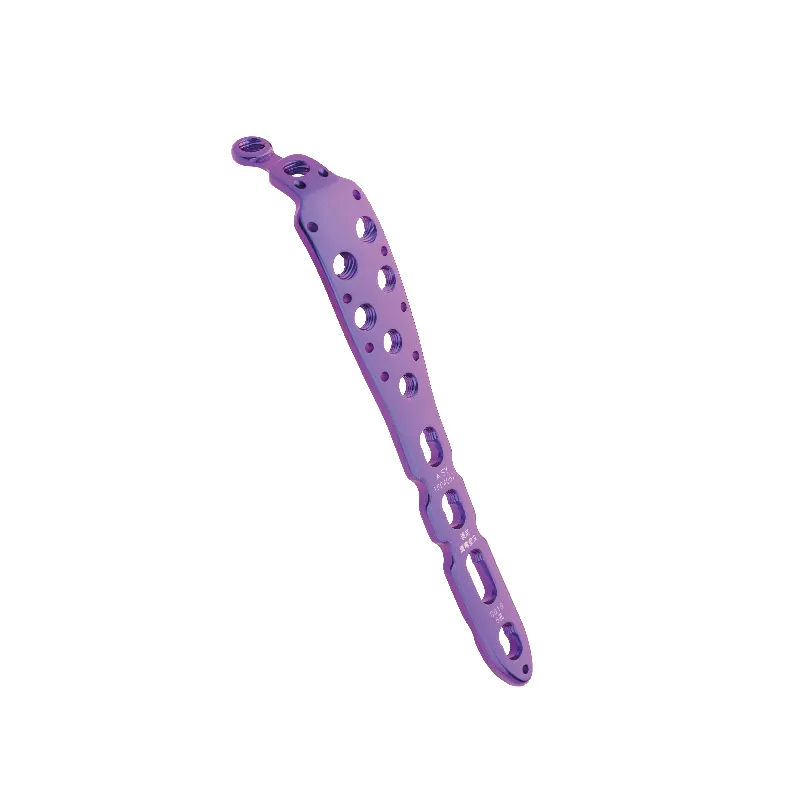
How Supplier Audit Frequency Directly Affects Trauma Locking Plate Quality
Material consistency, dimensional accuracy, and fatigue resistance under audit-deficient conditions
When companies don't conduct enough supplier audits, three important qualities of trauma locking plates suffer: consistent materials, accurate dimensions, and proper fatigue resistance. Without checking in regularly, the metal mix at suppliers starts to change over time, which affects how well the implants work inside the body and their overall strength. At machining facilities using CNC equipment, the allowed error margins often expand past the needed ±0.1mm range, making it much harder for surgeons during operations when parts just don't fit right. The biggest problem though is what happens to fatigue resistance. Plates coming from suppliers that haven't been audited tend to break down 40% faster when put through repeated stress tests because of poor heat treatment processes and inconsistent surface finishes. Keeping audit schedules regular helps maintain quality standards throughout the supply chain, catching issues early before defective products ever make it into manufacturing.
Real-world examples: Recurring non-conformances tied to extended audit intervals
When companies stretch out their audit schedules, they often end up facing quality issues that could have been prevented in trauma implant manufacturing. Take one company that went from checking every 12 months to just once every 18 months. Within two years, problems jumped by about 32%, with things like tiny cracks forming in the locking parts and uneven coatings on the surfaces. We saw another situation where 15% of the metal plates had shifted dimensions simply because an audit was skipped once. That caused all sorts of headaches during surgeries and required patients to go through additional operations. The bottom line is that how often we check suppliers needs to match how important those components are to patient safety. Most top orthopedic firms have switched back to audits every six months for their riskiest suppliers. Since making this change in 2022, these companies report roughly half as many product failures showing up in the field.
Implementing a Risk-Based Supplier Audit Frequency Strategy
Prioritizing high-risk suppliers: Material vendors, CNC processors, and sterilization partners
Risk levels among suppliers differ quite a bit when making trauma plates. Vendors who supply medical grade titanium need extra attention because if their material composition isn't right, it affects how long the implants last and whether they work well inside the body. CNC machining companies matter just as much. Small errors during production can throw off screw hole placement or mess up the shape that fits specific bone structures. Then there's sterilization service providers which bring biological hazards into play. If they don't validate their processes properly, patients could end up with unsafe implants. Most manufacturers use some sort of tiered audit system for all this. High risk suppliers get checked every three months while those rated medium risk usually face inspections twice a year. Industry data shows this method cuts down critical quality issues by around two thirds, based on recent trends in medical device quality reports. The logic makes sense really focusing efforts where problems would cause the worst outcomes clinically.
Aligning audit cycles with ISO 13485:2016 and FDA QSR requirements for trauma implants
The regulations out there basically demand that companies justify their audit schedules based on actual risks involved. According to ISO 13485:2016, manufacturers need written explanations connecting how often they check suppliers to those suppliers' track record and how important the products are. The FDA Quality System Regulation takes a different angle but still wants proof that processes for implant parts have been properly validated. When it comes specifically to trauma locking plates, most companies end up following something like this schedule: once a year for good performers, every six months if there was some serious issue found, and three times a year when problems start piling up. All these audits should back up their frequency decisions with real numbers showing what kind of clinical risks exist. Some manufacturers actually cut down their audit intervals by about 30% just by looking at their performance metrics, and guess what? Their corrective action requests dropped by around 41% over 18 months. This means better compliance overall and a more reliable supply chain too, all without making things too hectic for operations teams.
Patient Safety and Regulatory Consequences of Inadequate Audit Frequency
From supplier defect to intraoperative failure: Clinical impact pathways
If audits don't happen often enough according to risk levels, problems with trauma locking plates might go unnoticed until surgery goes wrong. Issues like inconsistent materials or incorrect dimensions can weaken how well these plates hold up over time, which sometimes leads to broken plates or screws coming loose when surgeons try to fix bones. When this happens, doctors have to do extra surgeries that weren't planned, patients suffer more complications, and healing takes much longer than expected. Regulations require hospitals and manufacturers to report these kinds of failures through FDA Quality System Regulations and ISO standards from 2016. This usually means recalling products, facing fines that can top half a million dollars according to recent FDA data, and possibly losing important certifications. Given how serious things get with orthopedic implants, companies need strong supplier audit programs that catch defects early before they ever make it into operating rooms where lives are at stake.
Optimizing Audit Frequency Without Overburdening the Supply Chain
Getting the right balance between checking suppliers often enough and not wasting time is crucial when dealing with trauma locking plates. If companies check too much, they waste money and mess up production schedules. But if they don't check enough, problems with materials consistency or how well the plates hold up over time might slip through. The smart way? Focus audits on key suppliers first. Think about those who provide raw materials or handle sterilization processes these guys need closer attention, maybe once a year or even more. For others that pose less risk, biannual checks usually work fine. Industry data shows this method cuts down audit downtime around 30% without compromising regulatory requirements. Adding live dashboards that track things like defect counts, delivery times, and corrective action trends helps catch issues before they become big problems. And remember, good auditing isn't about sticking to a calendar it's about adapting based on actual performance, following ISO 13485 guidelines. Companies adopting this approach typically save about $1.2 million yearly on fixes while keeping trauma plate quality steady throughout their supply networks.
FAQ Section
What impact does supplier audit frequency have on trauma locking plate quality?
The frequency of supplier audits directly impacts the material consistency, dimensional accuracy, and fatigue resistance of trauma locking plates. Infrequent audits can lead to changes in metal compositions, resulting in compromised implant performance and increased failure rates.
Why is a risk-based audit strategy important for trauma locking plates?
A risk-based audit strategy prioritizes high-risk suppliers such as material vendors and CNC processors, ensuring critical areas affecting product safety and effectiveness are closely monitored. This strategy, aligning with regulatory requirements, reduces quality issues by focusing resources on areas with the highest clinical impact.
How do regulatory standards affect audit schedules for trauma implants?
Standards like ISO 13485:2016 and FDA QSR require companies to justify audit frequencies based on supplier performance and the critical nature of their products. Audit schedules should be backed by data showing clinical risks to ensure compliance and product safety.
What are the potential consequences of inadequate audit frequency?
Insufficient audits can result in unnoticed defects leading to intraoperative failures, unintended surgeries, patient complications, and longer healing times. This also involves potential product recalls, fines, and loss of certifications.