Shuangyang Building, Yangshe Town, Zhangjiagang City, Jiangsu Province, China.
Shuangyang Building, Yangshe Town, Zhangjiagang City, Jiangsu Province, China.
The Critical Role of Tactile Feedback in Neurosurgical Decision-MakingHow Tactile Feedback Influences Real-Time Decisions During Brain SurgeryThe sense of touch from surgical tools gives doctors important information while they perform risky operatio...
VIEW MORE
Understanding the Surgeon Learning Curve in Distal Femur Medial Plating Defining the Surgeon Learning Curve in Orthopedic Trauma Procedures When we talk about the surgeon learning curve, what we're really looking at is how many operations someone ne...
VIEW MORE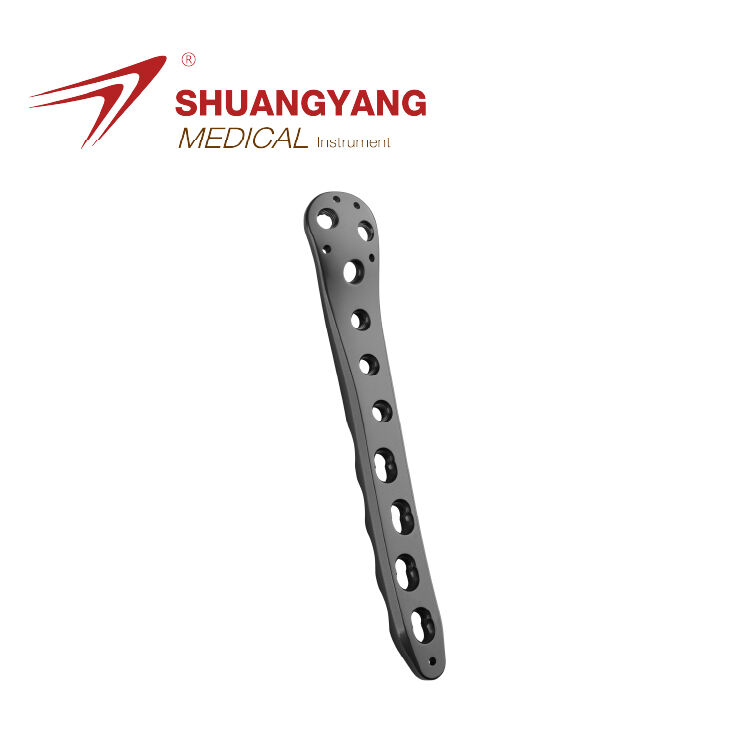
Incorporating Surgeon Feedback in Early-Stage Proximal Humerus Plate DesignThe Importance of Clinician-Driven Design in Trauma Implant DevelopmentGetting input from surgeons while developing proximal humerus plates helps cut down on problems after su...
VIEW MORE
Understanding Global Labeling Language Requirements for Sternum Titanium PlatesThe importance of multilingual labeling for implantable medical devicesHaving labels in multiple languages helps surgical teams understand important information about ster...
VIEW MORE
Regulatory Expectations for CAPA in Fibula Plate Manufacturing The Role of CAPA in Ensuring Patient Safety and Device Quality Effective Corrective and Preventive Action (CAPA) systems reduce fibula plate failure risks by 58% in post-market surveill...
VIEW MORE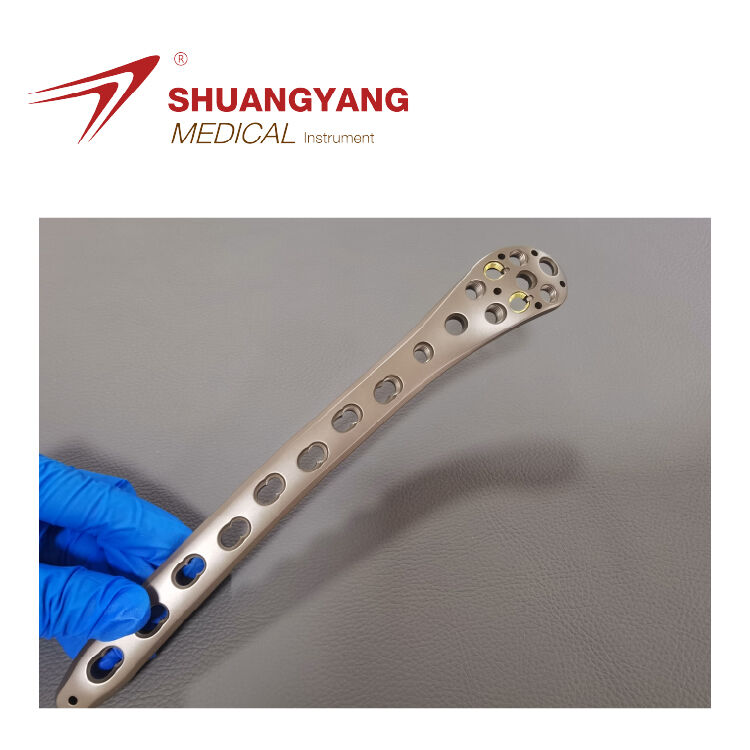
Definition of substantial equivalence under FDA 510(k) regulationsSubstantial equivalence requires modified distal humerus plates to demonstrate comparable safety and effectiveness to legally marketed predicate devices through technical, biological, ...
VIEW MORE
Understanding FDA Breakthrough Device Designation and Its Relevance to Minimally Invasive Spine Systems Breakthrough Device Designation (BDD) Criteria, With Emphasis on Criterion 1: More Effective Treatment for Irreversibly Debilitable Conditions T...
VIEW MORE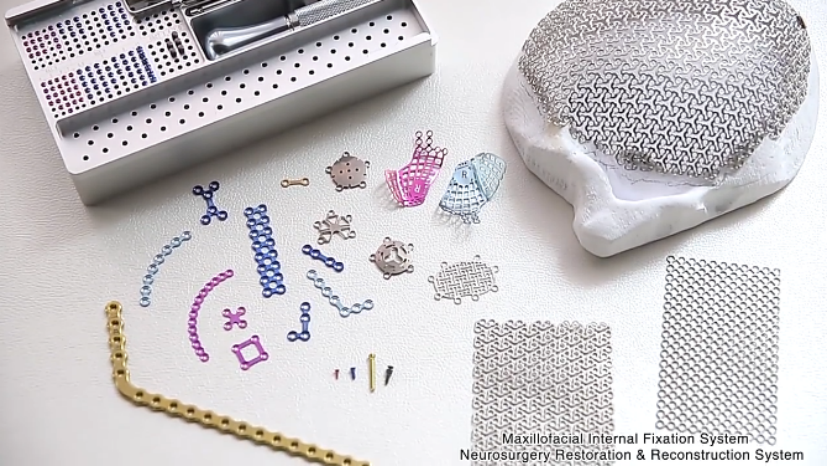
Defining Clinical Evidence for Spinal Fusion: Regulatory and Payer Requirements Understanding Clinical Evidence in the Context of Spinal Fusion Claims To build strong clinical evidence supporting spinal fusion surgery, doctors need to combine severa...
VIEW MORE
Understanding the Regulatory Framework for Lumbar Fusion CagesEffective marketing claims alignment for lumbar fusion cages requires navigating complex regulatory landscapes. Manufacturers must balance promotional messaging with strict submission requ...
VIEW MORE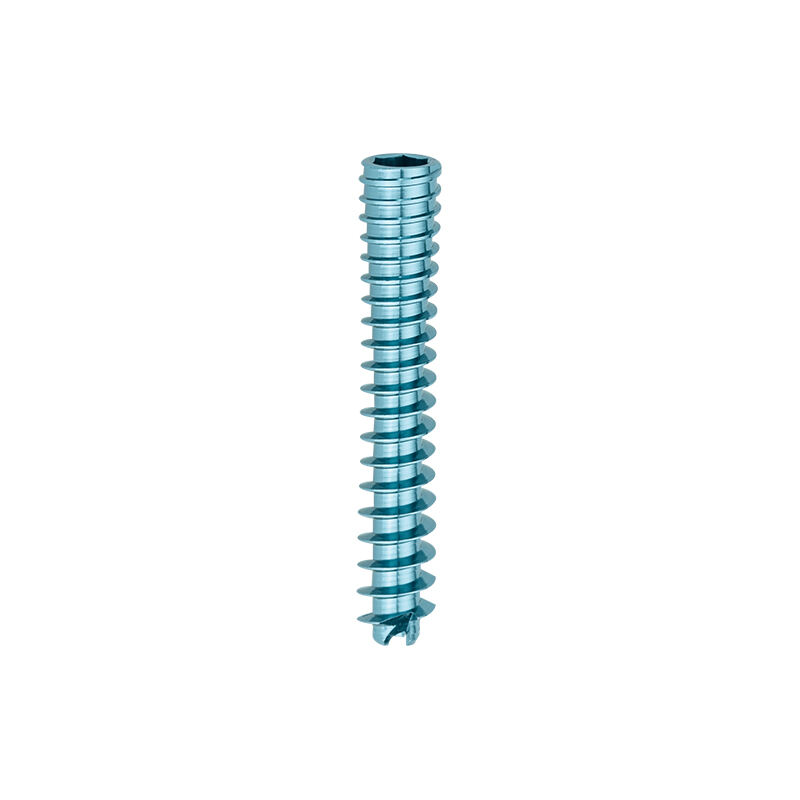
Understanding UDI and Its Importance for Locking Screw OrthopedicsWhat makes UDIs so important for orthopedic implants? Let's take locking screws as an example these are the ones that hold broken bones together during healing. According to recent FDA...
VIEW MORE
Understanding Global Regulatory Requirements for Proximal Femoral Locking PlateCore Principles of Medical Device Regulation in Key MarketsThe FDA classifies proximal femoral locking plates as moderate risk devices (Class II) according to regulation 2...
VIEW MORE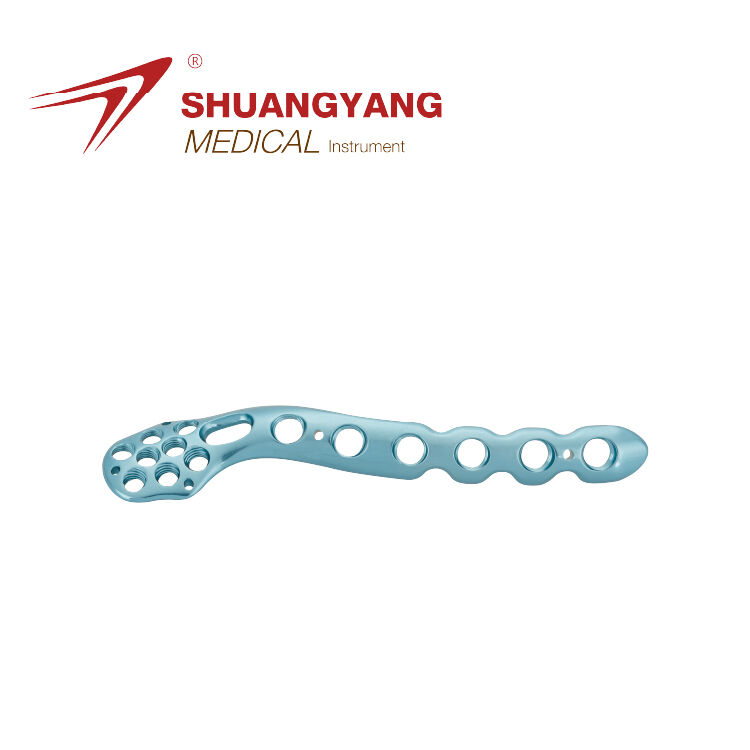
CE Marking as a Legal Gateway to the European Economic Area (EEA) Understanding CE marking requirements for medical devices in the EU Getting CE marking approval is essential when bringing titanium clavicle plates into Europe. The rules set out in M...
VIEW MORE EN
EN
 FR
FR
 ES
ES
 AR
AR